
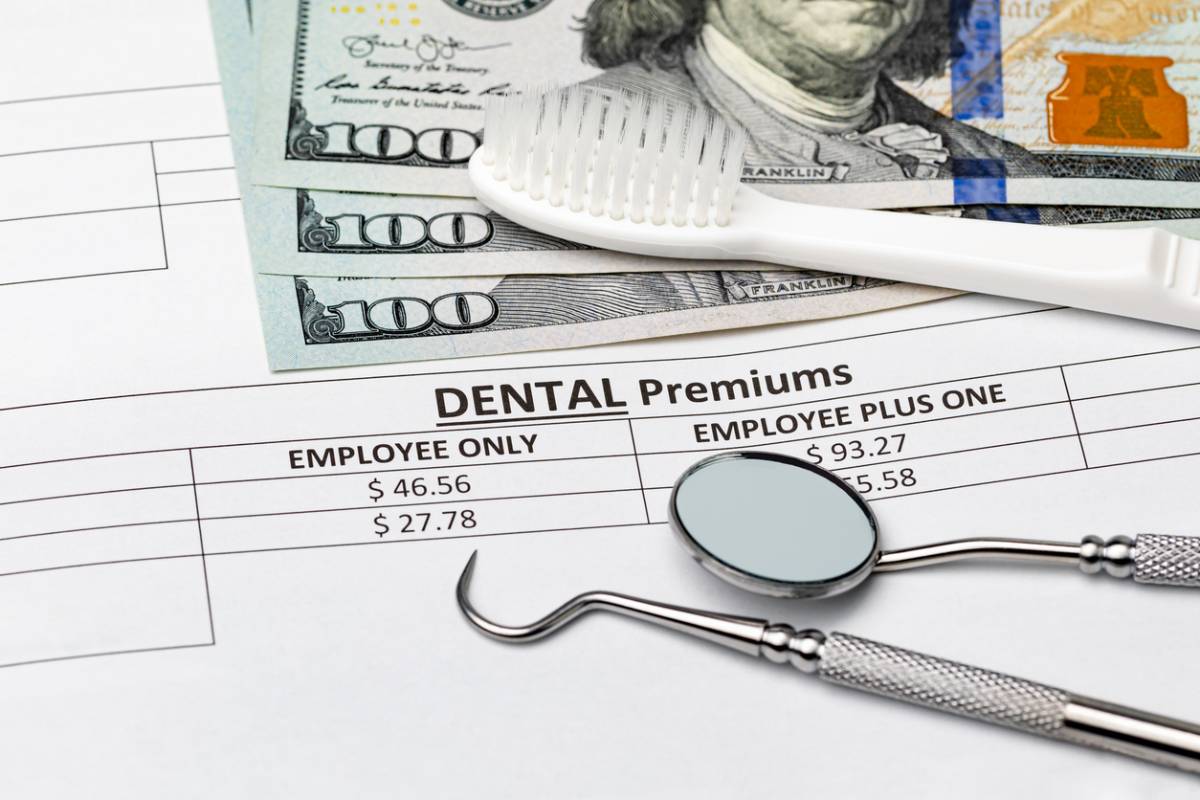
Porcelain veneers are an excellent solution for many cosmetic issues, including stains, discoloration, gaps between teeth, and chipped teeth. But why doesn’t insurance cover veneers? In this article, we address this question and discuss alternative treatments that may be covered by insurance.
Why Doesn’t Insurance Cover Veneers?
Insurance typically covers procedures deemed medically necessary. Dental veneers, on the other hand, are a purely cosmetic and selective procedure. It is aimed at improving the appearance of your smile rather than addressing any health-related issues and is typically classified by insurance companies as a non-essential service.
In rare cases, dental veneers may be covered by some types of insurance if they are used to restore the function of severely damaged teeth from an accident or to restore worn-down or decayed teeth. However, to obtain insurance coverage for veneers in these cases, your doctor will need to provide documentation to your insurance company demonstrating medical necessity.
Additionally, coverage typically varies widely depending on the company and the type of plan you have. We recommend contacting your insurance company to inquire about their terms regarding cosmetic and restorative procedures.
Alternatives to Dental Veneers that Can be Covered by Insurance
Some procedures might offer similar outcomes to dental veneers or help you solve your cosmetic issues in other ways:
Dental Bonding and Crowns
Alternative treatments that can provide similar results to dental veneers include dental bonding and crowns. Also, dental bonding, for example, is typically cheaper than veneers, so this option is more likely to be covered. However, these procedures also may be covered only if they are considered a medical necessity and not performed for purely cosmetic purposes.
For example, suppose dental bonding is used to restore a chipped or broken tooth or protect it from further structural damage. In that case, it might be covered by insurance, provided that you have the proof of medical necessity. While if bonding is used to mask a small gap between the teeth or to cover staining, it is unlikely to be covered.
Professional Dental Cleanings
If you want to use dental veneers to cover stains or discoloration on your teeth, consider first having regular professional cleanings and fluoride treatments. Most insurance plans cover these procedures as they are considered necessary preventive care. They may not make your teeth look as flawless as veneers would, but they can still be effective at removing surface stains, plaque, and tartar that can make your teeth look discolored.
On top of that, regular dental cleanings will improve your oral health and help strengthen your teeth, preventing tooth decay and gum disease.
Orthodontic Treatments
If your concern is crooked or crowded teeth, consider addressing the root cause with orthodontic treatment rather than masking it with dental veneers. Apart from making your teeth straight and visually appealing, orthodontic treatment can also help resolve bite issues, improve oral health and chewing ability, and treat TMJ disorder and sleep apnea.
If your orthodontic treatment helps address such health-related issues, it might be covered by some insurance plans. However, orthodontic insurance coverage is often limited or requires a separate, higher-tier dental plan. Alternatively, some dental offices offer monthly payment plans that can make paying out of pocket more manageable. Discussing your options with your provider beforehand can help you plan your treatment and avoid unexpected costs.
Make an Appointment at The Smile Artists LA
If you are considering dental veneers or alternative treatments, do not hesitate to make an appointment with an experienced dentist at The Smile Artists LA. Our specialists will carefully examine your case to determine whether your treatment may be covered by insurance. We are looking forward to your visit.





 "The Smile Artists")