
In this article, we discuss oral appliances and CPAP machines to help you understand which sleep apnea treatment option might be more suitable for you.
Which Sleep Apnea Treatment Is Right for You?
Obstructive sleep apnea is a sleep disorder in which the throat muscles relax too much during sleep, causing the airway to repeatedly narrow or close. It leads to interrupted breathing during sleep and to insufficient oxygen flow to the body and brain.
Sleep apnea can be managed with CPAP machines or oral devices, depending on the severity of the case and the patient’s anatomy. Before we discuss the advantages and disadvantages of both options, we want to underline the importance of consulting a doctor for an accurate diagnosis and treatment recommendation.
Let us look at the main devices used to help with sleep apnea.
What Is CPAP and Its Pros and Cons
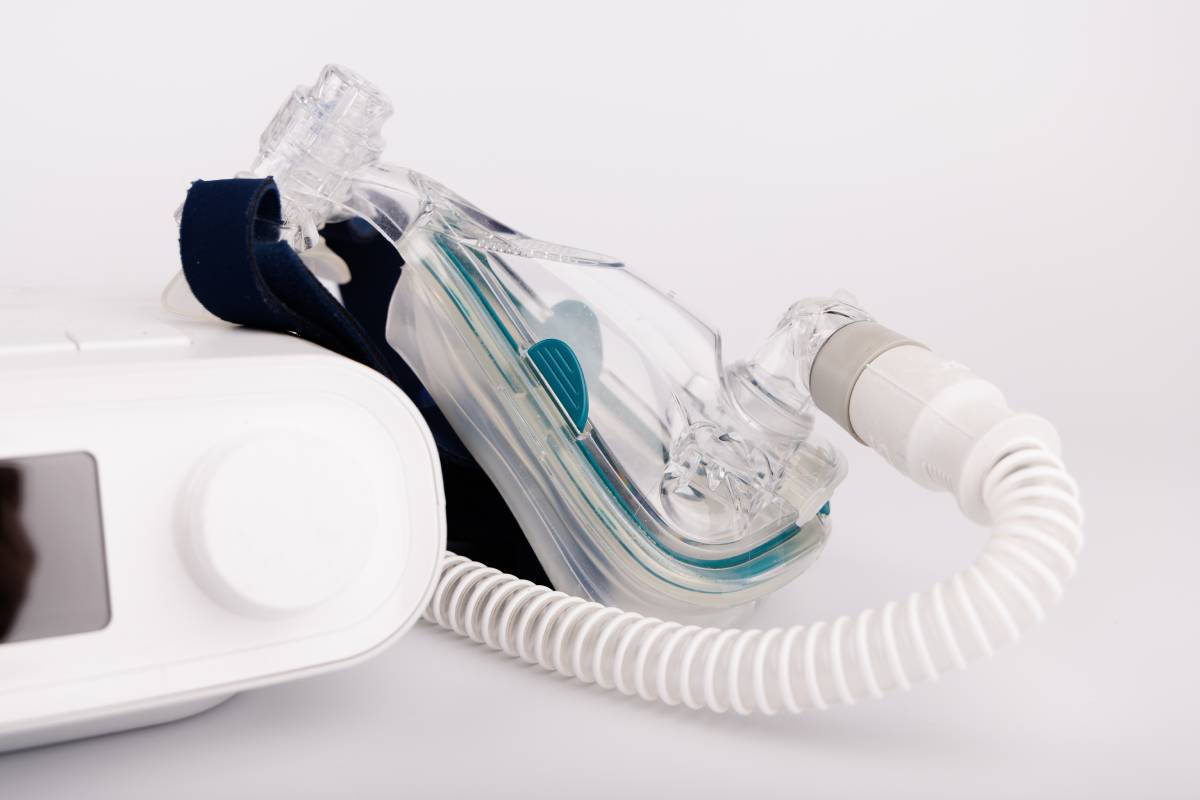
CPAP stands for Continuous Positive Airway Pressure. It is a device that delivers constant air pressure via a mask and tube to keep the airways open. Typically, the device consists of:
- A specialized mask with a custom-fitted mouthpiece (like a sports mouthguard), which pushes the jaw forward to keep the throat open, or nasal pillows.
- The central unit that draws in air, pressurizes it, and sends it through the tube.
- The tube that connects the machine to the mask delivers a steady airflow.
- Headgear with straps that hold the mask securely in place.
CPAP machines are most suitable for people with moderate to severe sleep apnea. The main advantages of CPAP include:
- Offers superior airflow control
- Ensures consistent oxygen flow to the body and brain
- Eliminates apnea events
- Support deeper and uninterrupted sleep
- Reduces fatigue during the day
- Improves concentration, memory, and mental clarity
- Lowers blood pressure
- Decreases the risk of heart attack and stroke
The main disadvantages of CPAP may include:
- The device can be noisy and cumbersome.
- Requires nightly use and can impact lifestyle
- The mask can be uncomfortable and cause skin irritation, red marks, and sores.
- In some people, it can cause dry mouth, a runny nose, and nasal congestion.
- Some people might find it hard to breathe out against the continuous pressure.
- Swallowing excess air might lead to gas, bloating, and stomach discomfort.
Types of Oral Appliances and Their Pros and Cons
Oral appliances for sleep apnea are typically custom-fitted to ensure comfort and effectiveness. The main types of such appliances include:
- Mandibular advancement devices (MADs) that fit over your teeth (similarly to a mouthguard) to adjust the position of the lower jaw and pull it and the tongue forward, preventing airflow obstruction.
- Tongue stabilizing devices (TSDs) use a suction bulb to hold the tongue in place and keep it from falling back and obstructing the airway.
Advantages of oral appliances include a more comfortable experience than CPAP machines and no noise. Also, it is easier to travel with such appliances, and they do not require electricity.
However, oral appliances are only effective for mild to moderate sleep apnea and are unlikely to help with severe cases. Additionally, in some cases, oral sleep apnea appliances can cause excessive saliva or dry mouth, jaw pain, stiffness, tooth pain, or even permanent bite changes.
Treat Sleep Apnea at The Smile Artists LA
If you require a reliable sleep apnea treatment, do not hesitate to make an appointment with an experienced dentist at The Smile Artists LA today. We will carefully examine your case to offer you the most effective treatment option. We are looking forward to your visit.





 "The Smile Artists")