
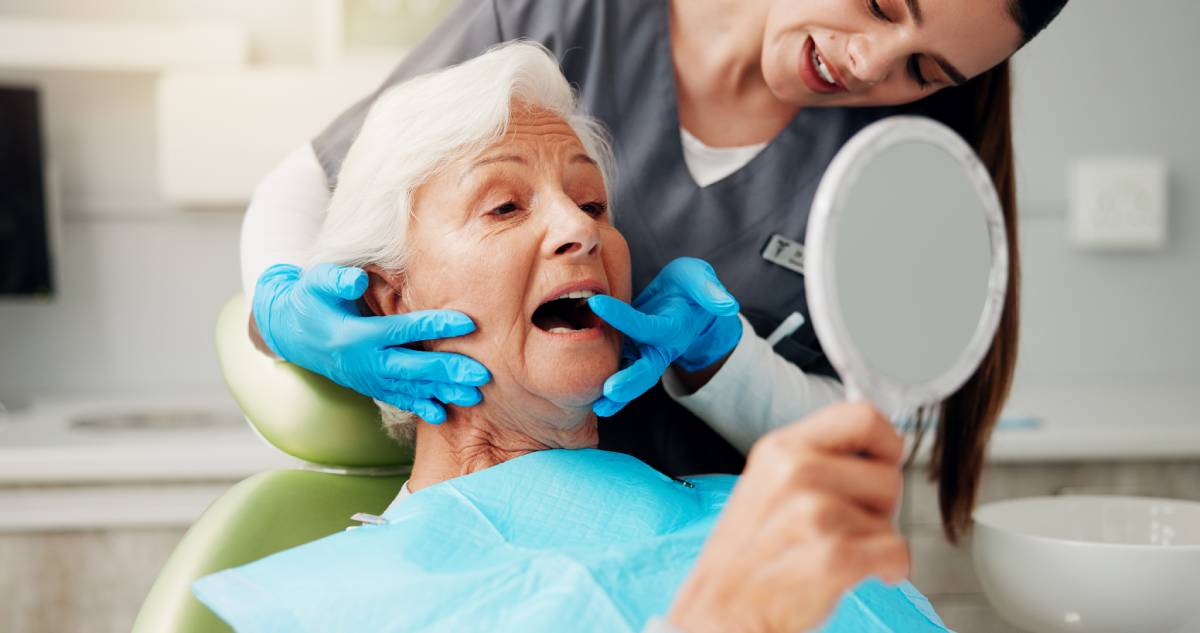
While many people associate dental appointments with routine cleaning and disease prevention, comprehensive oral exams play a critical role in identifying health concerns that may not yet be causing symptoms. In this article, we discuss the importance of comprehensive oral exams for early disease detection.
The Importance of Comprehensive Oral Exams for Early Disease Detection
A comprehensive oral exam is an essential part of preventive dentistry, as it allows your doctor to spot signs of abnormalities early on and plan treatment accordingly, before serious issues occur. Additionally, oral health often reflects your overall health, and a comprehensive oral exam can help detect conditions such as diabetes, cardiovascular disease, autoimmune disorders, and nutritional deficiencies.
A timely comprehensive oral exam can also help your doctor create care plans based on individual risk factors and provide you with guidance on hygiene techniques, fluoride use, and lifestyle changes that can prevent oral health issues.
What Is a Comprehensive Oral Exam?
During a comprehensive oral exam, your doctor typically checks the following:
- Your teeth for signs of wear or decay
- The integrity of your dental restorations and signs of chips, cracks, and wear
- The health of your gums and underlying jawbone is a sign of gum disease
- Soft tissues (tongue, cheeks, lips, palate, floor of the mouth) for lesions or abnormalities
- Jaw joints and muscles for dysfunction or pain
- Occlusion (bite) for signs of grinding or clenching
- Oral cancer risk
- Diagnostic records, such as X-rays, photographs, and periodontal measurements
The methods employed for a comprehensive oral exam include:
- Medical and dental history review, including assessment of past dental treatments and current symptoms, systemic health conditions, medications, allergies, and lifestyle factors
- Oral examination, including visual and tactile assessment of the lips, cheeks, tongue, floor of the mouth, palate, and oropharynx, and screening for oral cancer, infections, lesions, or other abnormalities
- Extraoral examination, including inspection and palpation of the head, neck, face, and lymph nodes, and evaluation of the temporomandibular joints (TMJ) and facial muscles
- Teeth (hard tissue) and dental restorations, examination, and evaluation of tooth alignment and occlusion
- Periodontal assessment, including measurement of periodontal pocket depths, evaluation of gum inflammation, recession, bleeding, and plaque levels, and assessment of bone support
- Evaluation of bite relationships and functional contacts
- Diagnostic imaging (X-rays or digital scans)
How Often Should I Have a Comprehensive Oral Exam?
Typically, a comprehensive oral examination is recommended every 2 to 3 years. People with a high risk of oral health issues can be recommended to undergo such an exam more often, every 1 to 2 years.
Additionally, if you are a new patient in a dental office and do not have a medical history at that office, your doctor is likely to recommend a comprehensive oral exam to establish the current condition of your oral health and plan procedures accordingly.
Signs That You Require a Comprehensive Oral Exam
We recommend making an appointment for a comprehensive oral exam if you experience the following symptoms:
- Persistent oral pain or discomfort
- Bleeding, swollen, or receding gums
- Changes in how the soft tissue in the mouth looks (white or red patches, sores that do not heal within two weeks, lumps, or unusual texture changes)
- Persistent bad breath or unpleasant taste in the mouth
- Changes in how your teeth fit together or loose teeth
- Dry mouth or a burning sensation in the mouth
Make an Appointment at The Smile Artists LA
Make an appointment for a comprehensive or routine oral exam and a professional cleaning with an experienced Culver City dentist today. At our dental office, we use modern diagnostic methods to ensure early disease detection and help each client restore and maintain their oral health. We are looking forward to your visit.





 "The Smile Artists")